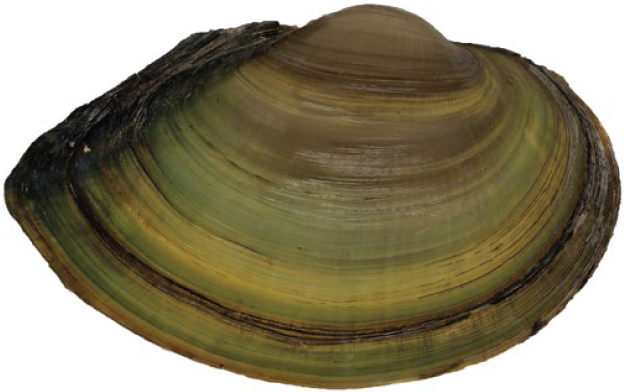
Mussel Strength. The Riverway is home to 41 species of freshwater mussels - one of the greatest assemblages of these fascinating and sensitive aquatic organisms in the United States. Mussels are protected because they are endangered species. Do not remove them from the river.
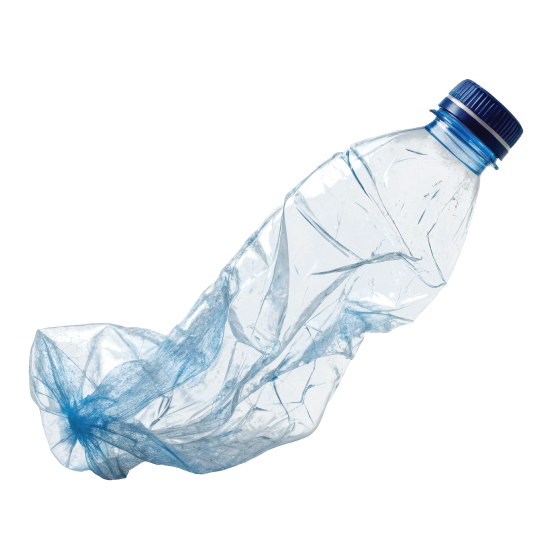
Waste Removal. Always take out what you bring in, and please pick up any litter you encounter. Cleaning rivers is crucial for several reasons, primarily to safeguard public health and protect biodiversity. It helps prevent waterborne illnesses, supports thriving ecosystems, and reduces the impact of pollutants on aquatic life as well as the quality of downstream water. We value this initiative so much that we offer a 10% discount on a future trip to anyone who brings us a full bag of litter at the end of their outing.

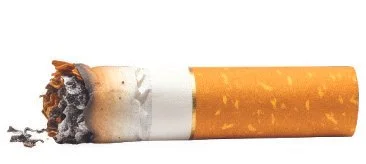
How about them butts? Cigarette butts harm the St. Croix River because they are made of plastic (cellulose acetate) that will not biodegrade. As the cigarette butt breaks down, it releases a "toxic soup" of nicotine, heavy metals (like lead, arsenic, and cadmium), and carcinogens. These pollutants contaminate water, harm fish and aquatic life, and break down further into microplastics that enter the food web. Even a single cigarette butt can kill fish, pollute water, and endanger wildlife that mistake them for food, making cigarette butts a major source of toxic plastic pollution in waterways. Best policy, pack out what you pack in.
A misunderstood fish? If you see this beautiful fish, characterized by a very passionate angler as “big” and “charismatic” it’s actually a River Redhorse, threatened in Wisconsin. This cute-faced rough fish with stunning red fins is a water quality aficionado with an appetite for crayfish and mussels.